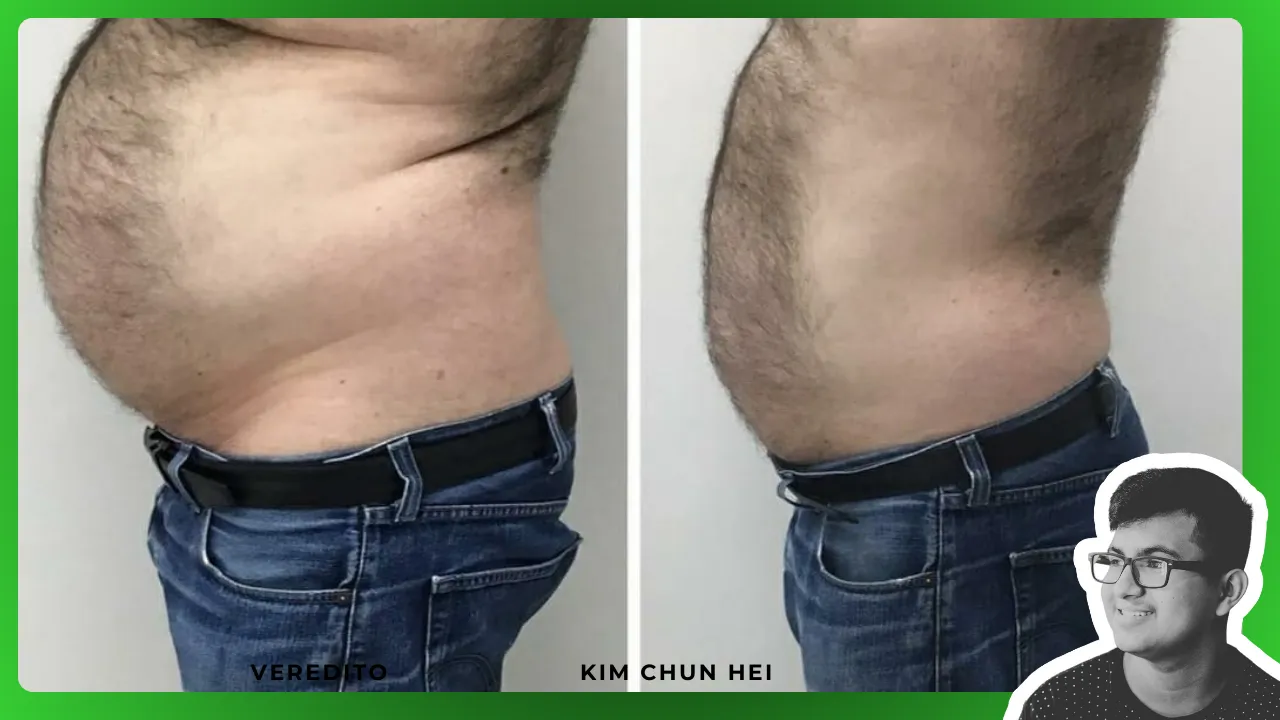
What is weight loss exercise routine?

When it comes to achieving weight loss goals, understanding the concept of a weight loss exercise routine is essential. This article will delve into what constitutes an effective weight loss exercise routine, the best types of exercises to include, tips for consistency, and how to create a personalized plan that aligns with your fitness level and lifestyle. By the end, you will be equipped with the knowledge needed to embark on your weight loss journey successfully.
What is a Weight Loss Exercise Routine?
A weight loss exercise routine is a structured plan that incorporates physical activities specifically designed to help individuals reduce body weight. It typically combines different types of exercises that promote calorie burning, enhance metabolic rate, and improve overall fitness. The primary focus of such a routine is to elevate physical activity, which paired with a balanced diet, leads to weight loss.
The Importance of Regular Exercise for Weight Loss
Regular exercise is a cornerstone of any effective weight loss strategy. Here’s why exercise plays a critical role:
- Increases Caloric Deficit: To lose weight, you must burn more calories than you consume. Exercise helps create this deficit.
- Boosts Metabolism: Regular physical activity can increase your resting metabolic rate, allowing you to burn more calories even at rest.
- Improves Mood: Exercise releases endorphins, which can enhance your mood and reduce stress, making it easier to stick to your weight loss routine.
- Enhances Muscle Tone: Weight-bearing exercises help develop lean muscle mass, which burns more calories than fat tissue.
Types of Exercises to Include in Your Routine
An effective weight loss exercise routine should encompass various types of exercises. Here are the main categories to consider:
Cardiovascular Exercises
Cardio exercises are crucial for burning calories and improving cardiovascular health. They raise your heart rate and lead to significant calorie expenditure. Examples include:
- Running or jogging
- Cycling
- Swimming
- Brisk walking
- Aerobic classes
Strength Training
Incorporating strength training into your weight loss routine is essential for building muscle, which increases your metabolic rate. Focus on compound movements that work multiple muscle groups. Suggested exercises include:
- Squats
- Deadlifts
- Bench presses
- Rows
- Push-ups
Flexibility and Balance Exercises
While these exercises may not directly contribute to weight loss, they are vital for overall fitness. They help improve your range of motion, prevent injuries, and enhance your performance in other exercises. Consider:
- Yoga
- Pilates
- Stretching routines
How to Create an Effective Weight Loss Exercise Routine
Developing a personalized weight loss exercise routine can help you stay committed and enjoy the journey. Follow these steps to create your plan:
1. Assess Your Current Fitness Level
Before starting any exercise routine, evaluate your current fitness level. Consider factors such as:
- Your experience with different types of exercises
- Your body weight and composition
- Any pre-existing medical conditions or injuries
2. Set Realistic Goals
Define clear, achievable goals for your weight loss journey. These can include:
- Specific weight loss targets (e.g., 1-2 pounds per week)
- Fitness goals (e.g., running a certain distance or lifting a specific weight)
- Consistency goals (e.g., working out a certain number of days per week)
3. Plan Your Weekly Routine
Design a weekly workout schedule that balances different types of exercises. A sample weekly plan may look like this:
- Monday: Cardio (30 minutes)
- Tuesday: Strength training (full body)
- Wednesday: Yoga or Pilates (30 minutes)
- Thursday: Cardio (45 minutes)
- Friday: Strength training (targeting different muscle groups)
- Saturday: Active recovery (walking, light stretching)
- Sunday: Rest day
4. Choose Activities You Enjoy
Incorporating exercises you genuinely enjoy will make it easier to stay committed to your routine. Try different activities until you find what works best for you.
5. Gradually Increase Intensity
To continue making progress, gradually increase the intensity of your workouts. This can be done by:
- Adding more weight
- Increasing the duration or frequency of workouts
- Incorporating high-intensity intervals into your routines
Tips for Staying Motivated
Staying motivated throughout your weight loss exercise routine is vital for success. Here are some strategies to keep your motivation high:
- Track Your Progress: Keeping a workout journal can help you visualize your improvements.
- Join a Community: Find a workout buddy or join a fitness class to share experiences and encourage one another.
- Reward Yourself: Celebrate your achievements, no matter how small, with healthy rewards.
- Change Up Your Routine: Avoid boredom by periodically introducing new exercises or classes to your routine.
Nutrition and Its Role in Weight Loss
While exercise plays a vital role in weight loss, proper nutrition is equally important. A balanced diet that complements your exercise routine will accelerate your progress. Here are some nutrition tips:
- Focus on Whole Foods: Incorporate plenty of fruits, vegetables, lean proteins, whole grains, and healthy fats into your diet.
- Stay Hydrated: Proper hydration is crucial for optimal performance and recovery.
- Monitor Portion Sizes: Be mindful of serving sizes to avoid overeating, even with healthy foods.
- Limit Processed Sugars and Fats: Reducing intake of sugary snacks and processed foods can significantly impact your weight loss efforts.
Common Misconceptions About Weight Loss Exercises
Several misconceptions may deter individuals from starting or sticking to their weight loss exercise routine. Here are a few to be aware of:
- Myth: You need to work out for hours every day.
- Reality: Short bursts of high-intensity workouts can be effective for weight loss.
- Myth: Lifting weights will make you bulky.
- Reality: Strength training is essential for toning and metabolic health, and it helps burn calories.
- Myth: You can spot-reduce fat.
- Reality: Weight loss occurs uniformly throughout the body, and a balanced routine is necessary for overall fat loss.
Incorporating Technology into Your Routine
In today’s digital age, technology can be a helpful ally in your weight loss journey. Consider using:
- Fitness Trackers: These devices can monitor activity levels, heart rate, and calories burned, providing valuable insights.
- Mobile Apps: Many apps offer guided workouts, meal planning, and progress tracking.
- Online Communities: Engaging with online fitness communities can provide support and motivation.
Conclusion and Next Steps
Embarking on a weight loss exercise routine can be both rewarding and challenging. By understanding the types of exercises to include, how to design an effective routine, and the importance of nutrition, you will be well-equipped for your weight loss journey. Remember to stay motivated and flexible with your goals, and don’t hesitate to adjust your plan as needed.
Are you ready to kickstart your weight loss journey? Explore our range of products designed for fitness enthusiasts like you. From workout gear to nutritional supplements, we have everything you need to support your weight loss efforts and achieve your goals. Start your journey today!

“`html
Weight loss exercise routines are essential for individuals aiming to shed unwanted pounds and improve overall health. These routines typically combine cardiovascular exercises, strength training, and flexibility workouts to create a balanced and effective regimen. Cardiovascular exercises like running, cycling, and swimming help burn calories, while strength training builds muscle, which can increase metabolism. Flexibility exercises enhance mobility and prevent injuries. Developing a structured and consistent routine is key to achieving weight loss goals. Supplementing exercise with a balanced diet amplifies results, making it easier to maintain a healthy weight in the long run. Invest in a routine that fits your lifestyle and start your transformative journey.
FAQ
1. What kind of exercises should I include in a weight loss routine?
A balanced weight loss routine should include cardio exercises like running or cycling, strength training such as weight lifting, and flexibility workouts like yoga or stretching. This combination enhances calorie burn and improves muscle tone.
2. How often should I exercise for weight loss?
It is recommended to engage in at least 150 minutes of moderate-intensity aerobic activity each week, along with two days of strength training. This can be broken down into 30-minute sessions, five days a week.
3. Is it necessary to join a gym for weight loss exercises?
No, a gym isn’t necessary. You can effectively lose weight using home workouts, outdoor runs, or body-weight exercises. The key is to stay consistent and motivated, regardless of the environment.
4. How can I track my weight loss progress?
You can track your progress by recording your weight, body measurements, and fitness levels. Consider using apps or journals for accountability, as well as taking progress photos to visually see changes.
5. Can I lose weight by just exercising without changing my diet?
While exercise is important, achieving significant weight loss usually requires both exercise and dietary changes. Combining regular workouts with healthier eating habits enhances results and contributes to long-term weight management.
Conclusion
Incorporating a dedicated weight loss exercise routine is vital for achieving and maintaining a healthy weight. By combining various forms of exercise—cardio, strength training, and flexibility work—you can accelerate your weight loss journey and improve overall fitness. Remember, pairing your workouts with a balanced diet is crucial for optimal results. Start your fitness routine today, and witness the positive changes in your body and mind!
“`
Links:
Related Post

Cheap Weight Loss Pills: Are They Worth the Money? Find Out Now!
Cheap weight loss pills are gaining popularity, but do they really work? Discover the truth [...]