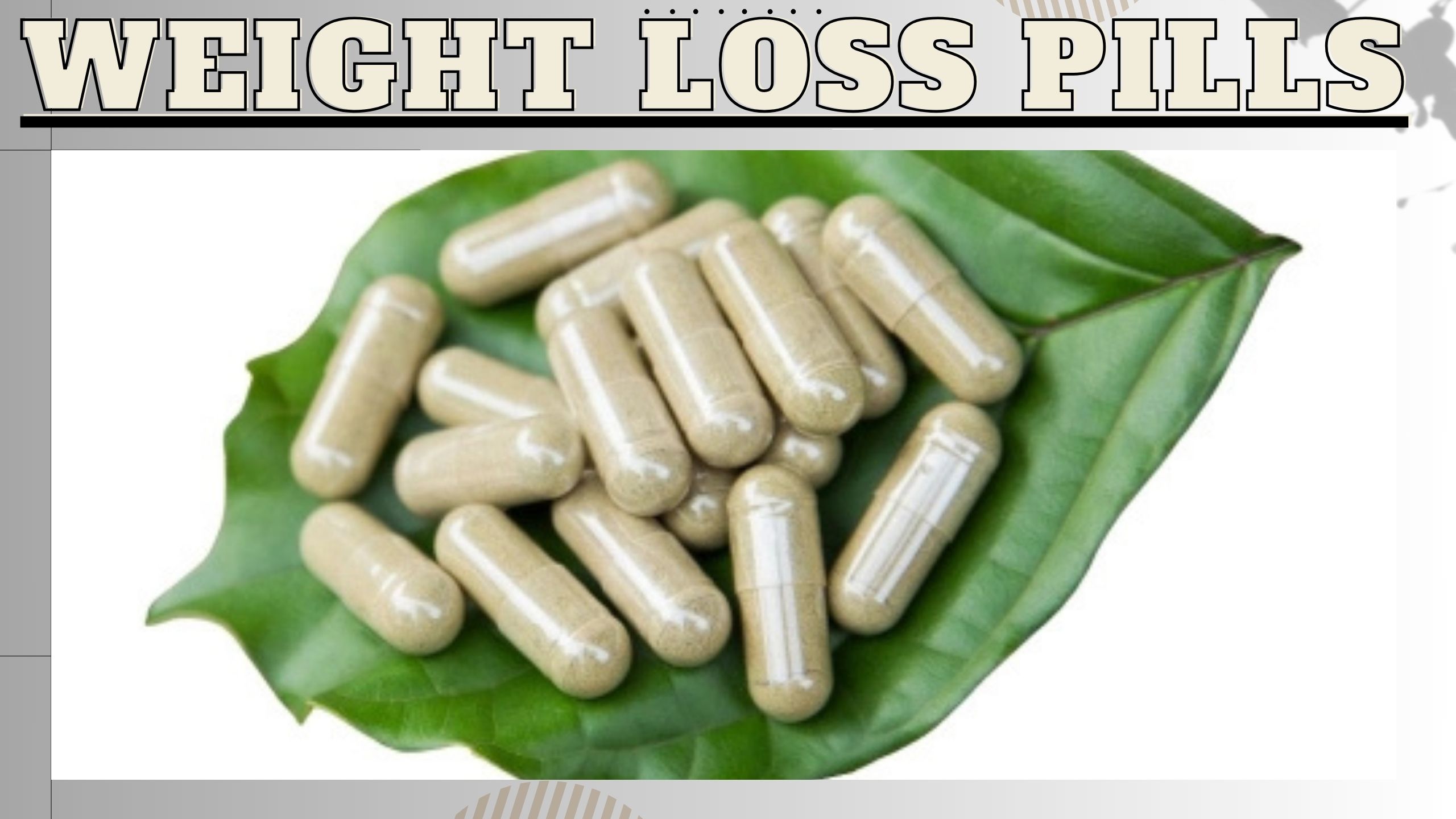
What is weight loss diet pill risk?

In the quest for an effective weight loss solution, many individuals turn to diet pills as a quick fix for shedding unwanted pounds. However, the potential risks associated with these weight loss diet pills can often overshadow their benefits. This article delves into the risks involved in using diet pills, helping you to make an informed decision about their use while understanding the importance of a balanced approach to weight loss.
Understanding Weight Loss Diet Pills
Weight loss diet pills are marketed as supplements that help accelerate fat loss, suppress appetite, or boost metabolism. While some may offer short-term benefits, it’s crucial to examine their underlying risks. The primary goal of these pills is to promote weight loss, but they can also lead to various health complications, especially if not used correctly.
Types of Weight Loss Diet Pills
Before discussing the risks, it’s important to understand the different types of weight loss diet pills available on the market:
- Appetite Suppressants: These pills work by reducing hunger pangs, making it easier to adhere to a caloric deficit.
- Fat Blockers: These pills prevent the absorption of fat from the food consumed, leading to reduced caloric intake.
- Metabolism Boosters: Formulated to enhance metabolic rate, these pills aim to increase the number of calories burned at rest.
- Diuretics: These promote the elimination of water weight, providing a quick but temporary reduction in body weight.
- Stimulants: Often containing caffeine or other stimulants, these pills increase energy levels and decrease fatigue.
Common Risks Associated with Diet Pills
While the allure of fast weight loss can be tempting, weight loss diet pills come with a plethora of risks. Below are some of the most common concerns associated with their consumption:
1. Side Effects
Many diet pills can cause various side effects. Some of the most frequently reported include:
- Nausea: Feeling nauseous is a common side effect, particularly in the initial stages of taking diet pills.
- Increased Heart Rate: Stimulant-based pills can lead to a rapid heartbeat, which may be dangerous for individuals with pre-existing heart conditions.
- Insomnia: Many users report difficulty sleeping due to the stimulating ingredients found in several pills.
- Digestive Problems: Some diet pills can lead to constipation, diarrhea, or bloating.
2. Allergic Reactions
Ingredients in weight loss pills can trigger allergic reactions in some individuals. Symptoms may include:
- Skin rashes
- Swelling of the face or throat
- Breathing difficulties
3. Dependency and Addiction
Long-term use of certain weight loss diet pills, particularly stimulants, can lead to psychological dependence. Users may find it challenging to lose weight without the aid of these pills, fostering a cycle of reliance that is hard to break.
4. Interaction with Other Medications
Weight loss pills can interact with prescription medications, potentially causing serious health issues. It’s crucial to consult with a healthcare provider before starting any new supplement, especially if you are already taking medications for other conditions.
5. Unregulated Ingredients
Many weight loss diet pills, especially those sold online, may contain unregulated or harmful ingredients. Such pills have not undergone rigorous testing for safety and efficacy, leading to unpredictable outcomes for users.
6. Impact on Mental Health
Weight loss pills can negatively impact mental health, leading to increased anxiety and stress around body image and eating habits. This can further exacerbate issues such as binge eating or disordered eating behaviors.
7. Heart Problems
The stimulants present in many diet pills can lead to serious heart complications, including:
- High blood pressure
- Arrhythmias (irregular heartbeats)
- Increased risk of heart attacks or strokes
Balancing Diet Pills with Healthy Lifestyle Choices
While weight loss diet pills might seem like an easy solution, it’s crucial to remember that sustainable weight loss typically requires a comprehensive approach. Here are some ways to combine diet pill use with healthier lifestyle choices:
1. Consult a Healthcare Professional
Before beginning any weight loss regimen, including diet pills, it’s essential to speak with a healthcare provider. They can help assess your health and provide guidance tailored to your needs.
2. Emphasize a Balanced Diet
A healthy and balanced diet can amplify the effects of weight loss pills, potentially leading to sustainable results. Focus on:
- Fruits and vegetables
- Whole grains
- Lean proteins
- Healthy fats
3. Regular Physical Activity
Incorporating regular exercise into your routine not only aids in weight loss but can also mitigate some of the risks associated with diet pill use. Aim for at least:
- 150 minutes of moderate aerobic activity per week
- Strength training exercises on two or more days a week
4. Monitor Your Progress
Keep track of your weight loss journey by monitoring changes in your weight and how you feel overall. This will help you identify what works best for your body.
5. Stay Hydrated
Drink plenty of water throughout the day, as hydration plays a vital role in weight management. It can also help in reducing some side effects of diet pills, such as constipation.
6. Be Mindful of Emotional Eating
Addressing emotional eating habits is crucial when trying to lose weight. Consider seeking support from a therapist or a weight loss support group if necessary.
Choosing the Right Diet Pill
If you decide that a weight loss diet pill is the right choice for you, take the time to research and choose wisely. Here are some pointers to consider:
- Look for pills that have been clinically tested and recommended by healthcare professionals.
- Avoid products with unrealistic promises of rapid weight loss.
- Read customer reviews and testimonials to gauge effectiveness and safety.
Conclusion
While weight loss diet pills can be an option for those struggling to lose weight, understanding the associated risks is essential for making an informed decision. It’s important to combine their use with a healthy diet and a regular exercise routine for the best results. Always consult a healthcare professional before starting any new weight loss program, including diet pills, to ensure your approach is safe and effective. By taking a holistic approach to weight loss, you can minimize risks and achieve your health goals more sustainably.

“`html
Weight loss diet pills can offer a quick solution for those looking to shed pounds, but potential risks should not be overlooked. Many such pills may come with side effects including nausea, headaches, and even heart complications. It’s crucial to distinguish between natural supplements and those containing harmful ingredients. Consulting with a healthcare professional before starting any weight loss regimen is essential, especially if you have pre-existing conditions. By understanding the risks and making informed choices, you can pursue your weight loss journey safely and effectively, ensuring a healthier and happier you.
FAQs about Weight Loss Diet Pill Risks
What are the common side effects of weight loss diet pills?
Common side effects can include nausea, insomnia, headaches, and increased heart rate. Some users may experience digestive issues or mood swings as well. Always consult with a healthcare provider to understand how these effects might impact you personally.
Are all weight loss diet pills safe?
No, not all weight loss pills are safe. Some may contain harmful substances or hidden ingredients that can lead to serious health concerns. It’s essential to research products thoroughly and choose those that are approved by health authorities.
Can I rely solely on diet pills to lose weight?
While diet pills can assist in your weight loss efforts, they should not be the only strategy you rely on. A balanced diet and regular exercise are crucial for sustainable weight loss, alongside any supplements you may choose to use.
How can I choose a safe weight loss pill?
Look for pills with clinically studied ingredients, check for safety certifications, and read user reviews. Consulting a healthcare professional can provide personalized advice tailored to your specific needs and health conditions.
What should I do if I experience side effects?
If you experience any adverse effects, discontinue use immediately and consult your healthcare provider. They can offer guidance on how to manage side effects and suggest alternative weight loss methods that might be safer for you.
“`
Links:
Related Post

Best Eco-Friendly Weight Loss Pills: Do They Really Work?
Best eco-friendly weight loss pills are becoming popular, but do they really work? Find out [...]
Can weight loss pills be used for post pregnancy weight management
LINK: HOME Weight loss pills DICTIONARY WE ARTICLES BLOG Post-pregnancy weight management can be challenging [...]