What is weight loss diet comparison?

What is Weight Loss Diet Comparison? In an era where health and wellness have taken center stage, many people are turning to various dietary methods in pursuit of weight loss. However, with countless diets available, the quest to determine which weight loss diet is the most effective can feel overwhelming. In this article, we’ll explore the concept of weight loss diet comparisons, examining different popular diets, their mechanisms of action, benefits, and potential drawbacks. We aim to empower you with the knowledge you need to make informed decisions on your weight loss journey.
Understanding Weight Loss Diets
Weight loss diets are structured eating plans designed to help individuals reduce their body weight. The foundation of any weight loss diet lies in creating a calorie deficit, which occurs when you consume fewer calories than your body burns. However, the approach to attaining this deficit can vary significantly from one diet to another.
The Importance of Diet Comparison
Comparing different weight loss diets is crucial because it allows individuals to choose a plan that aligns with their lifestyle, preferences, and health goals. Various factors come into play when considering a weight loss diet, such as:
- Nutrition Value: Assess the quality of the foods included in the diet.
- Sustainability: Can the diet be maintained long-term?
- Personal Preference: Does the diet include foods you enjoy?
- Health Considerations: Are there any medical conditions to consider?
Popular Weight Loss Diets
1. Ketogenic Diet
The Ketogenic Diet, commonly referred to as the keto diet, is extremely low in carbohydrates and high in fats. The core principle of keto is to enter a state of ketosis, where the body burns fat for fuel instead of carbohydrates.
Benefits:
- Rapid weight loss in the initial phases due to a significant drop in water weight.
- May reduce hunger levels due to increased fat intake.
- Potential improvement in blood sugar control.
Drawbacks:
- Difficult to sustain long-term due to meal restrictions.
- Possible side effects like fatigue, headache, and constipation (often referred to as the “keto flu”).
- Limited research on long-term health impacts.
2. Paleo Diet
The Paleo Diet, or Paleolithic diet, is based on eating foods presumed to be available to our ancestors, primarily focusing on whole foods like meats, fish, fruits, vegetables, nuts, and seeds.
Benefits:
- Encourages whole food consumption while eliminating processed foods.
- High in fiber and essential nutrients.
- Increases satiety, which may lead to consuming fewer calories overall.
Drawbacks:
- May lack certain nutrients found in dairy and grains.
- Can be expensive due to the focus on organic and premium products.
- Not everyone may agree with the dietary restrictions.
3. Mediterranean Diet
The Mediterranean Diet emphasizes fruits, vegetables, whole grains, nuts, seeds, and healthy fats, particularly olive oil, while including moderate amounts of fish and poultry and very little red meat.
Benefits:
- Widely regarded for its heart-healthy benefits.
- Rich in fiber, antioxidants, and healthy fats.
- Generally sustainable and easy to follow.
Drawbacks:
- Weight loss may be slower compared to stricter diets.
- Requires conscious effort to limit red meat and processed foods.
4. Intermittent Fasting
Intermittent Fasting isn’t about what to eat but rather when to eat. This method involves alternating periods of eating and fasting, such as the popular 16/8 method, where you fast for 16 hours and eat within an 8-hour window.
Benefits:
- May lead to a decrease in calories consumed without explicit caloric restriction.
- Can improve metabolic health and promote fat loss.
- Flexibility in choosing food types during eating periods.
Drawbacks:
- May be difficult for some people to follow, especially those with a history of disordered eating.
- Hunger and low energy can be challenges during fasting periods.
- Not suitable for everyone, particularly those with certain medical conditions.
5. Low-Carb Diets
Low-Carb Diets focus on reducing carbohydrate intake while emphasizing protein and fat consumption. Variants include the Atkins, Zone, and South Beach diets.
Benefits:
- Often leads to rapid weight loss, especially in the initial stages.
- Can improve blood sugar control and insulin sensitivity.
- May reduce hunger overall due to higher protein and fat intake.
Drawbacks:
- Can be restrictive and hard to maintain long-term.
- Possible side effects include fatigue, constipation, and nutrient deficiencies.
Factors to Consider When Comparing Weight Loss Diets
When evaluating different weight loss diets, consider the following factors to help you find the right approach:
- Customization: Can the diet be tailored to fit your personal tastes and nutritional needs?
- Social Interaction: Does the diet allow you to participate in social gatherings and meals comfortably?
- Educational Value: Does the diet encourage you to learn about nutrition and healthy eating habits?
- Support and Community: Is there a support system or community that can help you stay accountable and motivated?
How to Make an Informed Decision
Making an informed decision about which weight loss diet to follow requires thorough research and self-reflection. Follow these steps to guide you:
- Assess Your Goals: Determine what you hope to achieve with your weight loss efforts, whether it’s shedding a certain number of pounds, increasing energy levels, or improving overall health.
- Research Each Diet: Look into the specifics of different diets, including their nutritional guidelines, restrictions, and the science behind them.
- Consult a Professional: Speak with a healthcare provider or registered dietitian to discuss your health history and receive personalized recommendations.
- Evaluate Your Lifestyle: Consider your daily routine, work commitments, and family life, and select a diet that aligns with your existing schedule.
- Try and Adapt: Don’t be afraid to try new dietary approaches, but be open to adjusting as needed. Everyone’s body responds differently, so find what works best for you.
The Role of Supplements in Weight Loss
While dietary changes are crucial for effective weight loss, many people explore the use of dietary supplements to enhance their results. Some common types of supplements include:
- Protein Powder: Helps increase protein intake, which can support muscle retention during weight loss.
- Meal Replacement Shakes: Can assist in controlling calorie intake while ensuring adequate nutrition.
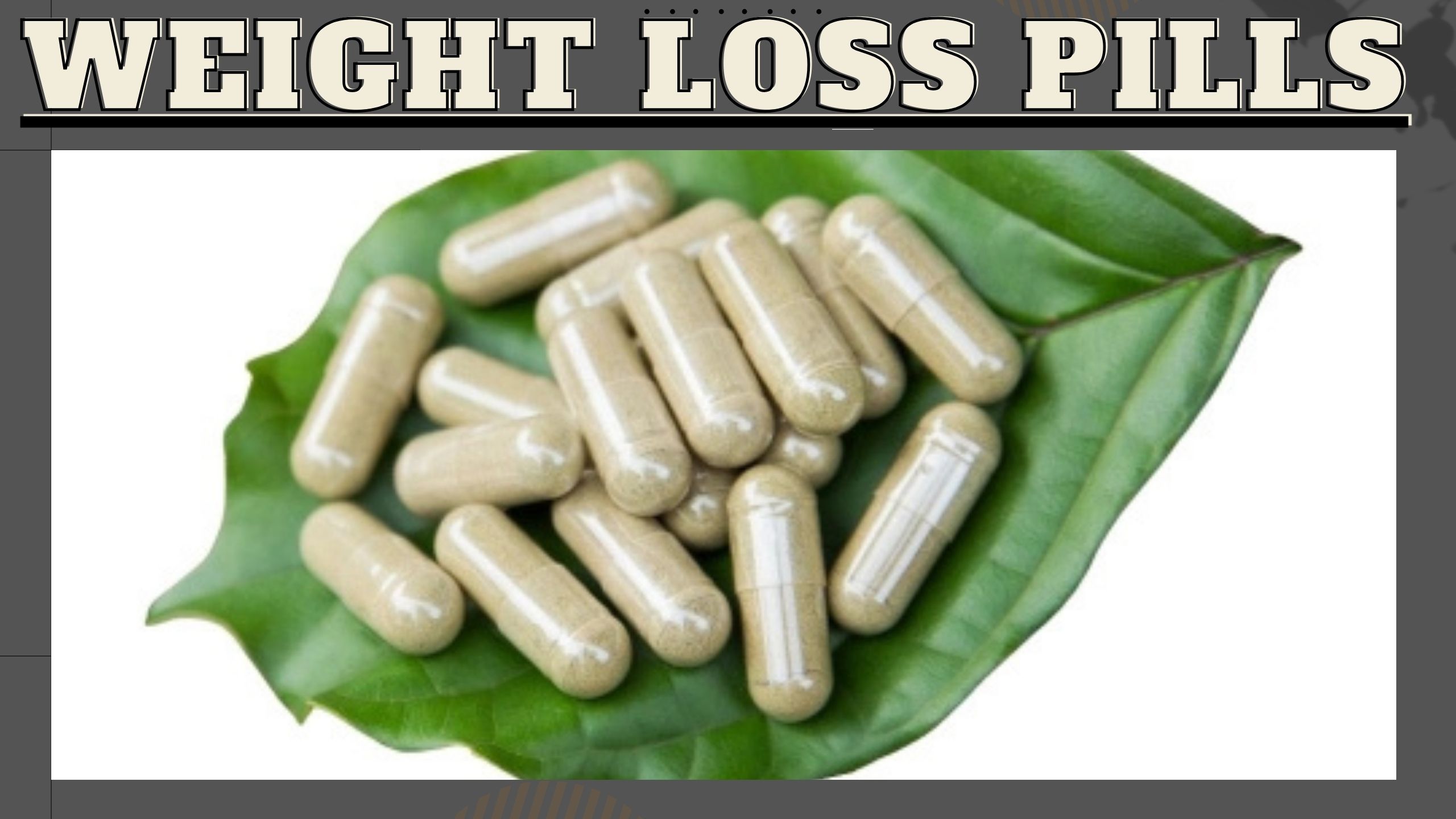
- Fat Burners: Supplements that claim to boost metabolism or fat oxidation, although their effectiveness can vary and may not always be supported by evidence.
Always consult with a healthcare professional before introducing any new supplements into your diet.
The Importance of Sustainable Weight Loss
Sustainable weight loss is about creating healthier habits that can be maintained long after the initial goal has been achieved. Strategies to ensure sustainability include:
- Gradual Changes: Incorporate small and manageable changes to your diet, rather than drastic alterations that are hard to maintain.
- Focus on Behavior: Address emotional eating triggers and develop coping strategies for stress that don’t involve food.
- Regular Physical Activity: Engage in regular exercise to supplement your dietary changes and support overall health.
Conclusion
Choosing the right weight loss diet can be a complex and personal decision. By comparing different diets, understanding their benefits and drawbacks, and considering your unique lifestyle and preferences, you can find a suitable approach to achieving your weight loss goals. Always prioritize health, sustainability, and enjoyment in your dietary choices. In your journey toward better health, remember that the ultimate goal is not just weight loss but also improving your overall well-being for life.

“`html
In today’s world, weight loss diet comparison has become essential for many individuals seeking effective ways to shed extra pounds. With countless diets available, from ketogenic to Mediterranean, understanding the pros and cons of each can help you make an informed decision. This comparison helps identify a plan that aligns with your lifestyle and goals. Additionally, considering factors like nutritional balance, sustainability, and personal preferences is crucial. Ultimately, choosing the right diet can lead to healthier habits, better well-being, and successful weight loss. Invest time in selecting the best option for you and transform your life today!
FAQ
What is a weight loss diet comparison?
A weight loss diet comparison involves analyzing different dietary plans to determine their effectiveness, nutritional value, and sustainability. This comparison helps individuals identify which diet best suits their needs and goals, taking into account factors like personal tastes and lifestyle.
Why is it important to compare different diets?
Comparing different diets is vital because it helps individuals understand the unique benefits and drawbacks of each option. This knowledge allows for a more personalized approach to weight loss, leading to greater adherence and long-term success in achieving health goals.
What should I consider when comparing diets?
When comparing diets, consider factors like nutritional content, how restrictive the diet is, meal preparation time, potential health risks, and whether the diet provides all essential nutrients. It’s also important to factor in personal preferences to enhance sticking to the plan.
Can I switch diets during my weight loss journey?
Yes, you can switch diets during your weight loss journey if your current plan isn’t yielding results or doesn’t fit your lifestyle. However, it’s essential to approach new diets thoughtfully and consider their sustainability and nutritional adequacy.
How do I choose the best diet for me?
To choose the best diet, assess your personal goals, lifestyle, and any health conditions you may have. Consult with a healthcare provider for professional advice, and consider trying a few different diets to see which one you can maintain comfortably and healthily.
“`
Links:
Related Post
Weight Loss Aid: Discover the Secret to Effective and Lasting Results
Weight loss aid simplifies your journey to a healthier lifestyle with effective strategies and support. [...]
Best Pills for Athletes: Discover the Top Supplements for Peak Performance
Best pills for athletes can significantly improve performance, recovery, and overall health. Learn about the [...]